









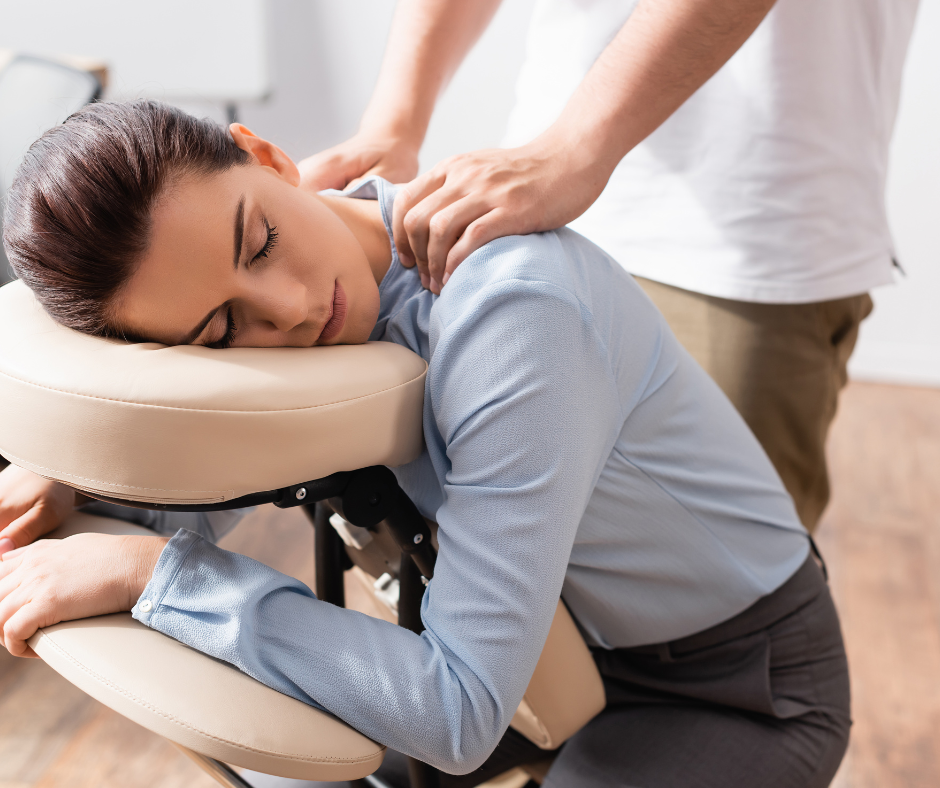
In today’s fast-paced work environment, many individuals spend prolonged hours sitting at desks, often adopting poor posture or repetitive movements that contribute to upper back tension. This discomfort can range from mild stiffness to severe pain, impacting productivity and overall well-being. As a result, people are increasingly exploring alternative methods to relieve muscle tension without relying solely on medication or frequent visits to therapists. One such method gaining popularity is the use of massage chairs specifically designed to target areas like the upper back.
Massage chairs have evolved significantly over recent years, incorporating advanced technology that mimics various massage techniques such as kneading, tapping, rolling, and shiatsu. These features aim to stimulate blood flow, relax tight muscles, and reduce stress in targeted regions of the body. When it comes to upper back tension caused by work-related activities-such as hunching over computers or carrying heavy bags-massage chairs can offer considerable relief by loosening muscle knots and alleviating pressure points.
The upper back area includes muscles like the trapezius and rhomboids which are prone to becoming tense due to static postures or repetitive strain. A quality massage chair reviews equipped with adjustable rollers and airbags can apply consistent pressure along these muscles, promoting relaxation and improving circulation. Enhanced blood flow helps deliver oxygen and nutrients necessary for muscle repair while flushing out metabolic waste products that contribute to soreness.
Moreover, regular use of a massage chair may help improve posture by encouraging proper spinal alignment through gentle stretching motions incorporated into some models. Improved posture reduces undue stress on the upper back muscles during daily activities at work. Additionally, many users report an overall reduction in stress levels after sessions in a massage chair because massages trigger the release of endorphins-the body’s natural painkillers-and lower cortisol levels associated with stress.
While massage chairs provide convenience and accessibility for managing upper back tension at home or office settings, they should not be considered a complete substitute for professional medical advice or physical therapy when dealing with chronic pain conditions. It is important for individuals experiencing persistent discomfort to consult healthcare providers who can diagnose underlying issues such as herniated discs or nerve impingements requiring specialized treatment.
In conclusion, massage chairs represent a valuable tool for alleviating upper back tension stemming from work-related factors by promoting muscle relaxation and enhancing circulation. Their ease of use makes them an attractive option for those seeking non-invasive relief within their busy schedules. However, combining their use with ergonomic adjustments at workstations and regular physical activity will yield the best results in maintaining long-term musculoskeletal health.